
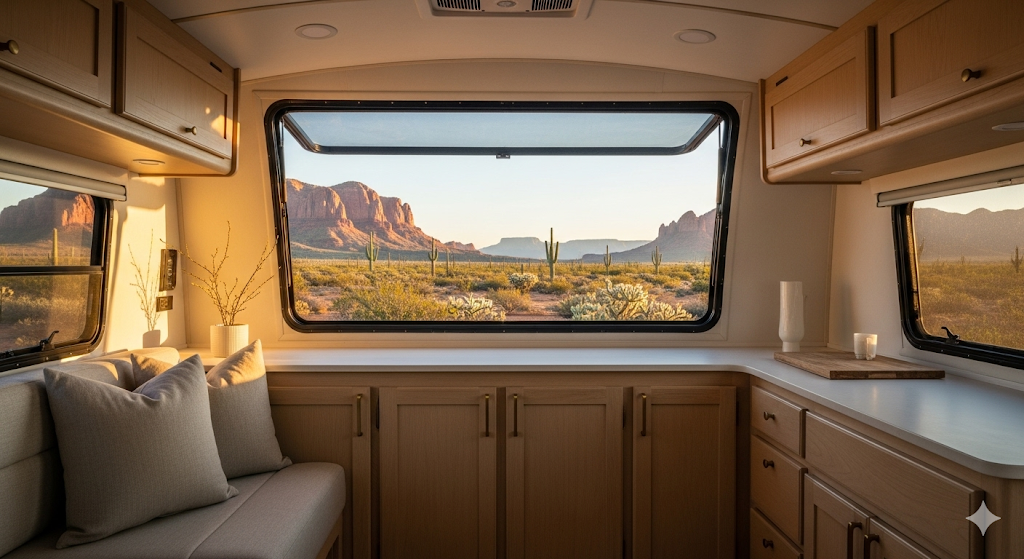
Choosing the right windows for a trailer can dramatically impact comfort, efficiency, and aesthetics on the road. From ventilation and insulation to style and durability, custom made trailer windows offer rig owners an opportunity to tailor their mobile space to precise needs and preferences. A well-informed decision involves understanding various window designs, materials, and performance metrics. This guide unpacks those elements, equipping readers with the knowledge to select the best trailer windows for their specific rig.
What types of windows are available for custom trailers?
Custom made trailer windows span a broad spectrum of designs, each offering unique benefits and trade-offs. Fixed windows present a solid, picture-frame look, maximizing views without opening functionality. Opening windows, including sliding, awning, and crank-out styles, introduce ventilation and emergency egress options. Contemporary frameless units deliver a sleek aesthetic, seamlessly blending glass into the trailer’s body.
Single-pane models tend to be more economical and lighter, appealing to budget-conscious owners of smaller rigs. By contrast, double-pane systems enhance insulation, sound attenuation, and energy efficiency, serving as a worthwhile upgrade for those camping in extreme climates. Entities such as tempered glass, laminated safety glass, neoprene seals, and stainless-steel frames factor significantly into performance outcomes. Considering these trailer window types helps rig owners pinpoint products that align with their travel habits and comfort expectations. For a deeper look at why upgrading can pay off, explore this guide on custom trailer windows worth the investment.
Custom made trailer windows: awning vs sliding trailer windows
Custom made trailer windows offer two of the most popular opening mechanisms in awning and sliding configurations. An awning window hinges at the top and cranks outward from the bottom, forming a sheltered opening that repels light rain while maintaining airflow. Sliding windows glide horizontally on a track, providing a straightforward operation without protruding sashes.
An awning design excels in showers, letting fresh air enter the rig even when the weather turns damp. Its compression seal around the perimeter also tightens against wind and noise. Sliding windows, on the other hand, often incorporate large glass surfaces and minimal hardware, resulting in unobstructed views and simpler maintenance. Both types can integrate insect screens, tinted or privacy glazing, and energy-efficient low-E coatings.
Single vs double pane trailer windows: insulating and acoustic considerations
Single vs double pane trailer windows differ fundamentally in glass construction and performance. Single-pane units consist of one sheet of tempered or laminated glass, favoring affordability and lighter weight. They provide basic weather protection but allow heat transfer and ambient noise to penetrate more easily.
Double-pane windows sandwich an insulating air or argon gas gap between two glass panels, reducing thermal conductivity and enhancing sound isolation. This additional layer forms a barrier against temperature extremes and road noise, lowering reliance on HVAC systems. For touring in hot deserts or alpine environments, dual-pane glazing ensures stable interior conditions, improving both comfort and energy savings.
How do trailer window materials and constructions affect performance?
Trailer window performance hinges on materials, manufacturing methods, and sealing components. Tempered glass undergoes heat-treatment to increase strength and shatter resistance, releasing energy in small granules rather than sharp shards. Laminated glass layers a polyvinyl butyral (PVB) interlayer between two panes, holding fragments in place upon breakage.
Frame materials span powder-coated aluminum, fiberglass-reinforced polymers, and marine-grade stainless steel. Aluminum frames offer a lightweight, cost-effective solution but require robust seals to prevent conductive heat loss. Composite frames resist corrosion and deliver superior thermal barriers. Rubber gaskets, silicone sealants, and EPDM weatherstripping further block moisture intrusion and air leaks, safeguarding interior finishes.
A wealth of Custom RV & Trailer Products complements the selection of custom windows, enabling a rig to achieve a truly cohesive look and feel. These integrated solutions span awnings, vents, roof hatches, and sliding door assemblies engineered to match window profiles and mounting dimensions.
What climate factors should influence window selection?
Climate plays a pivotal role in determining which window features are most critical for a trailer. In colder regions, double-pane glazing and insulated frames deliver meaningful reductions in heat loss. Consider U-factor ratings, which quantify thermal transmittance: lower U-factors indicate better insulating properties.
In hot and humid areas, solar heat gain coefficient (SHGC) values guide choices around tinted or reflective glass screens coatings. An SHGC closer to zero rejects more solar radiation, keeping interiors cooler. Adequate ventilation through awning or crank-out units prevents moisture buildup and mitigates mold risk. Additionally, UV-resistant glass and frame finishes preserve trim and upholstery from sun damage over prolonged exposure.
How to measure and install windows for your trailer
Accurate measurement is the first step toward a flawless window installation. Begin by measuring the interior cut-out: record width at top, middle, and bottom, and height at left, center, and right. Use the smallest values to ensure the replacement window fits within the existing aperture. Note the flange depth if installing new custom made trailer windows with proprietary mounting hardware.
Installation involves securing the window via rivets or self-tapping screws through the exterior flange, applying sealant along the frame perimeter, and ensuring even compression around gaskets. Proper torque on fasteners prevents distortion of glass while maintaining a watertight seal. Finally, test operation of opening windows and verify no binding occurs along tracks or hinges.
Maintenance and care tips for long-lasting trailer windows
Routine maintenance extends window lifespan and preserves performance. Clean glass surfaces using pH-neutral, non-abrasive cleaners and microfiber cloths to avoid scratching. Inspect seals and gaskets annually for signs of UV degradation, cracking, or shrinkage. Replace compromised weatherstripping promptly to prevent water leaks and drafts.
Lubricate tracks, hinges, and crank mechanisms with a silicon-based spray to maintain smooth operation. Check interior trim for water stains, which often indicate seal failure or loose fasteners. Periodic resealing with marine-grade sealant around the exterior flange helps avert corrosion and moisture penetration in chassis rails and wall cavities.
A quick reference comparison illustrates the core distinctions between awning and sliding trailer windows:
| Feature | Awning Windows | Sliding Windows |
| Operation | Crank handle, top hinge, outward opening | Manual slide, horizontal track |
| Weather Protection | Excellent rain deflection when open | Limited protection in wet conditions |
| Ventilation | Full sash opening for high airflow | Half sash opening, moderate airflow |
| Energy Efficiency | Superior, tight compression seal | Moderate, relies on weatherstripping |
| Maintenance | More hardware points to lubricate | Fewer moving parts, simpler cleaning |
| View Obstruction | Crank and hinge visible | Unobstructed, full glass expanse |
| Typical Cost | Higher due to hardware and seals | Lower, simple track system |
Cost considerations: what to budget for custom trailer windows
Budgeting for custom trailer windows requires understanding component and labor cost drivers. Glass type influences price significantly: basic tempered single-pane starts at a few hundred dollars per window, while dual-pane and laminated safety glass can double that amount. Frame materials follow suit, with powder-coated aluminum on the lower end and composite or stainless steel at premium tiers.
Complex opening mechanisms—such as multi-position awning cranks or automated sliding tracks—add further expense. Professional installation typically ranges between $100 and $200 per window, depending on rig access, wall construction, and required modifications. Owners should allocate contingency funds for unexpected structural reinforcements or sealant replacements discovered during retrofit.
Selecting a reputable window supplier and installer
Choosing a vendor with proven expertise ensures quality products and proper fitting. Seek suppliers offering custom templates, certified installation technicians, and comprehensive warranties covering glass breakage, seal integrity, and hardware failure. Manufacturers registered with RVIA (Recreational Vehicle Industry Association) adhere to construction standards critical for road safety.
Review customer testimonials and photo galleries showcasing installations on similar trailer models—be it toy haulers, fifth wheels, or caravan campers. Reliable suppliers provide detailed technical support during measurement, ordering, and post-installation service calls. Balanced pricing is important, but cutting corners on warranty coverage or installer credentials can lead to greater expenses down the road.
Deploying professional guidance is wise for complex installations involving structural alterations or welded steel frames. Certified RV technicians understand the subtleties of wall laminates, floor-to-ceiling support, and weight distribution. They can recommend reinforcements around heavier dual-pane windows, preserving the trailer’s integrity and preventing stress cracks.
For questions about product specifications or to arrange a free quote, prospective buyers should not hesitate to Contact us at SDG Doors & Windows. Our team stands ready to advise on window types, material options, and installation timelines tailored to each customer’s itinerary.
Integrating auxiliary features and safety considerations
Beyond core glass and frame choices, auxiliary features enhance convenience and safety. Integrated insect screens prevent pests from entering during ventilation, while pleated window shades or magnetic blackout panels boost privacy and light control. Some windows offer keyed locking handles to deter break-ins, especially useful for unattended campsites and storage setups.
Emergency egress windows comply with safety regulations, featuring quick-release latches and cranking mechanisms that provide an unobstructed exit in the event of fire or rollover. Properly labeled with red handles, egress units must meet minimum opening dimensions for safe evacuation. Additionally, tinted or UV-blocking glass can mitigate sun exposure, preserving interior fabrics and reducing cooling loads.
Why choose SDG Doors & Windows for your rig
After years of servicing the RV and trailer community, SDG Doors & Windows has established itself as a leading provider of custom made trailer windows. From single-pane to state-of-the-art dual glazed systems, the company sources materials from top manufacturers known for durability and performance. Their certified installers ensure precise fitment, correct sealing, and smooth operation from day one.
Clients benefit from comprehensive warranties, responsive after-sales support, and a deep library of resources covering measurement tips, maintenance guides, and product comparisons. Whether updating an aging travel trailer or outfitting a brand-new toy hauler, SDG Doors & Windows offers end-to-end project management aimed at exceeding expectations.
Conclusion
Selecting the right type of custom made trailer windows involves balancing window style, material composition, climate demands, and budget constraints. By comparing awning vs sliding trailer windows, single vs double pane trailer windows, and considering frame materials like aluminum or composites, rig owners can tailor their choices to deliver optimal comfort and performance. Proper measurement, professional installation, and regular maintenance ensure windows perform reliably for years to come. For those ready to transform their mobile living space, SDG Doors & Windows stands ready with expert guidance and customized solutions. Adopting the best practices outlined here will guarantee a successful upgrade and an enhanced travel experience.
Frequently Asked Questions
What’s the best window type for maximizing airflow in a trailer?
Trailer owners seeking peak ventilation often choose large awning or jalousie/crank windows. These hinge at the top and open outward fully, allowing air to circulate freely without permitting rain intrusion. Multiple units placed strategically cross-ventilate the interior, reducing moisture and enhancing comfort during warm weather.
Can I replace a fixed glass pane with an egress window in my trailer?
Yes, replacing a fixed pane with an emergency egress window is possible, provided the cutout dimensions match or can be adapted. Proper installation demands compliance with safety regulations—minimum opening sizes and quick-release hardware ensure rapid exit. It’s advisable to work with experienced technicians to modify the wall laminate and reinforcement structure correctly.
How much weight do dual-pane windows add to a trailer?
Double-pane windows typically weigh 15–25% more than single-pane units of the same size, due to the additional glass and framing. For a standard 24×24-inch window, expect an extra 5–10 pounds. Rig owners should consider weight distribution when upgrading multiple windows, particularly in lightweight trailers or aerodynamically sensitive designs.
Are frameless trailer windows more durable than framed options?
Frameless windows deliver a sleek, automotive-style appearance and reduce visual bulk. While their tempered glass construction is robust, durability hinges on hinge quality and the seal design. Framed windows often offer stronger gasket compression and more straightforward seal replacement; hence, durability depends on specific manufacturer engineering rather than the presence or absence of a visible frame.
How frequently should seals and gaskets be replaced on trailer windows?
Seal life can vary with climate exposure and material quality but generally warrants inspection every 12–18 months. EPDM and silicone seals degrade under relentless UV and ozone attack, leading to hardening or cracking. Proactive replacement prevents water ingress, wind noise, and potential wall delamination.