
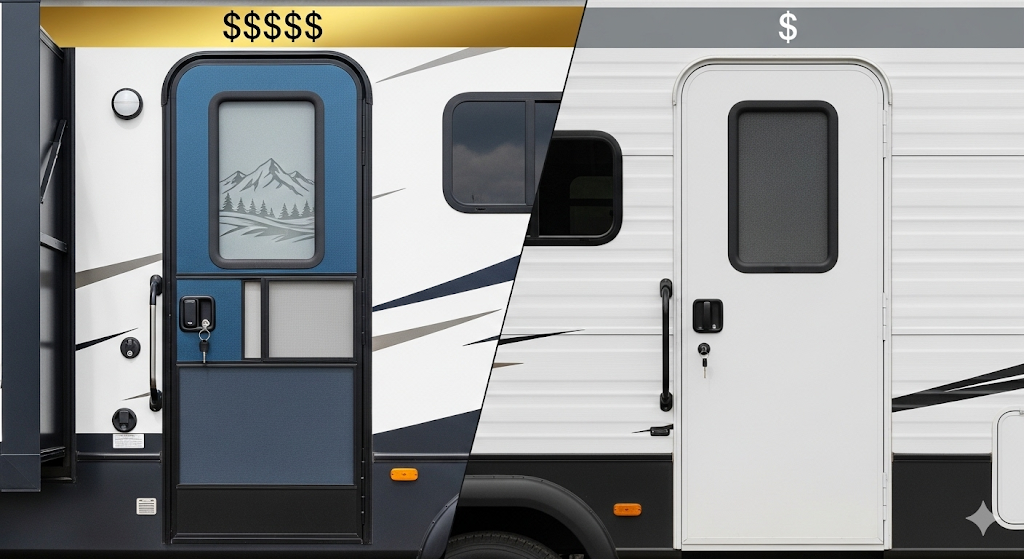
Many owners weigh the benefits of bespoke fittings against off-the-shelf solutions when evaluating their door options. Custom RV & Trailer Doors often command higher upfront prices due to specialized design, premium materials, and tailored manufacturing processes. Standard trailer door pricing typically falls within a more predictable range, reflecting mass production and common dimensions. Understanding these cost variances helps fleet managers, travel trailer enthusiasts, and RV remodelers make informed budgetary decisions.
Understanding Standard Trailer Door Pricing
Standard doors benefit from economies of scale and established supply chains, which keep retail costs relatively low. Manufacturers often use aluminum frames, basic insulation, and standard hardware to meet most RV and cargo trailer specifications. These doors typically ship with warranties around one year and require minimal customization, which accelerates production timelines. Standard trailer door pricing generally starts at the entry-level range, making it an attractive option for budget-conscious buyers.
Components of Standard Door Costs
Material selection drives a significant portion of a standard door’s cost structure. Aluminum skins, composite cores, and single-pane acrylic windows form the core build, favoring durability over high-end aesthetics. Labor costs cover assembly, finishing, and quality inspections, and can vary by factory location and production volume. Logistics and distribution expenses also factor into the final sticker price, especially for nationwide shipments.
Cost of Custom Trailer Doors: What Drives Prices?
Custom trailer doors integrate advanced materials, unique finishes, and precision engineering to meet exacting specifications. From powder-coated steel frames to double-pane tempered glass, each element contributes to the overall cost of custom trailer doors. Specialized labor for cutting, welding, and hand-finishing adds complexity to assembly, pushing labor rates above those for mass-produced units. Additionally, custom orders often incur design fees, tooling charges, and prototype validation expenses.
Design and Material Influences on Custom Door Costs
Bespoke panels may feature reinforced insulation, thermal breaks, or composite sandwich cores that enhance energy efficiency and structural integrity. Unique door profiles, such as flush mounts or rounded corners, require specialized molds and production runs. High-performance hardware—like stainless-steel hinges, gas strut supports, and heavy-duty locks—further elevates component costs. Decorative options, such as woodgrain laminates or anodized metal finishes, round out the customization package.
| Feature Category | Standard Door Range | Custom Door Range |
| Frame Material | Aluminum ($150–$250) | Steel/Aluminum ($300–$600) |
| Insulation Core | Foam Composite ($50–$100) | High-Density Composite ($150–$300) |
| Window Type | Single-Pane Acrylic ($25–$50) | Double-Pane Tempered Glass ($100–$200) |
| Hardware | Basic Lock & Hinge ($30–$60) | Premium Lock & Gas Strut ($100–$200) |
| Labor & Assembly | Standard Line ($50–$100) | Skilled Labor ($100–$200) |
Interpreting the Cost Comparison Table
The table underscores how custom door investments can be two to three times higher than standard models. Companies must weigh the value of enhanced insulation, improved security, and aesthetic distinction against budget constraints. Many fleet operators find that the incremental cost provides a competitive edge when selling or renting vehicles. However, for short-term use or low-budget projects, standard doors often suffice.
Door Upgrade Cost Analysis: Key Considerations
A comprehensive door upgrade cost analysis goes beyond sticker price, factoring in downtime, installation complexity, and ongoing performance gains. Removing an existing door can require frame modifications, seal replacement, and realignment, all of which add labor hours. Upgrading to a heavier custom door may also necessitate reinforcing door frames or suspensions to handle added weight. Evaluating total project costs ensures ROI clarity for both DIY enthusiasts and professional outfitters.
Labor and Installation Expense Breakdown
Installation rates range widely based on shop experience, geographic location, and door complexity. Standard door swaps often complete within two to three labor hours, while custom door installs can demand four to six hours or more. Technicians must align hinges precisely, seal gaps, and test locking mechanisms under load. Post-installation checks for water intrusion and sound insulation further add to labor bundles.
Hidden Costs in Door Upgrades
Beyond labor and materials, projects incur ancillary expenses such as disposal fees for old doors, rental of specialized tools, and potential shipping surcharges for oversized freight. Unexpected frame repairs or bodywork may surface once the old door is removed, adding to overall expenditures. Permit requirements or campsite regulations can impose additional compliance costs. Factoring these hidden charges into door upgrade cost analysis prevents budget overruns.
RV Door Replacement Cost vs Custom Installation
Replacing an RV entry door with a like-for-like standard part remains the most straightforward path, minimizing downtime and installation hurdles. In contrast, a custom installation project often involves pre-fit checks, mock installations, and tolerance adjustments. Fabricators may require digital templates or on-site measurements to validate dimensions, introducing design-phase costs. The balance between project scope and desired outcomes shapes final budgets.
Finding the Right Door Supplier
When sourcing replacement or custom doors, operators should evaluate warranty terms, lead times, and manufacturer reputation. For those seeking specialized solutions, it’s valuable to explore Custom RV & Trailer Doors that come with extended guarantees and dedicated support channels. Trusted suppliers often provide case studies, performance data, and maintenance guides to aid decision-making. Choosing an established provider streamlines project workflows and reduces risk.
Quality and Durability in Custom vs Standard Doors
Custom doors frequently utilize corrosion-resistant alloys, reinforced perimeter seals, and UV-stable finishes, enhancing longevity in harsh environments. Standard doors meet industry benchmarks for basic wear and moisture resistance but may fade or degrade faster under extreme conditions. Door seals on custom units often exceed RVIA standards, preserving cabin climate control and minimizing maintenance. Long-term durability justifies many operators’ preference for tailored doors.
Comprehensive Product Lines
Beyond doors, many manufacturers of custom equipment supply complementary components to complete retrofit projects. Owners and service providers often bundle door upgrades with window replacements, trim kits, and security enhancements. A cohesive approach ensures consistent style and performance across the vehicle envelope. For additional solutions, clients can review Custom RV & Trailer Products offered by full-service specialists.
Material Selection and Longevity
Polyurethane foam cores deliver superior insulation R-values compared to lower-density alternatives used in standard doors. Reinforced steel frames resist warping and retain structural shape under load better than thinner aluminum extrusions. Powder coatings with multi-stage curing processes outlast basic paint finishes, reducing chip and corrosion risks. Investing in high-quality materials yields doors that withstand vibration, road salt, and UV exposure.
Energy Efficiency and Security Benefits
Custom glazing options, such as Low-E tempered glass, cut solar heat gain while preserving visibility and natural light. Integrated locking systems with deadbolts and reinforced strike plates improve security over standard latch designs. Thermal break frames interrupt heat transfer, maintaining interior temperatures and reducing HVAC load cycles. These combined enhancements deliver measurable energy savings and occupant comfort.
Aesthetic Impact and Resale Value
Visually striking door designs elevate a trailer’s curb appeal and differentiate listings in the resale market. Flush-mount panels and matching trim colors create seamless exteriors that appeal to higher-end buyers. Interior trim packages can coordinate with cabinetry, flooring, and upholstery for a cohesive look. Properties with premium upgrades often command price premiums, recouping a portion of the custom door investment.
Integrating Glass and Screen Upgrades
When pairing door projects with window or screen installations, seamless compatibility becomes critical to maintain uniform aesthetics and functionality. Operators can coordinate door insert dimensions with Custom Trailer Screens & Glass offerings to streamline installation and weatherproofing. Integrated screen frames and safety glass options further enhance ventilation control and occupant protection. Holistic upgrade planning maximizes project efficiency.
Are custom RV & trailer doors worth the investment?
Custom RV & Trailer Doors deliver exceptional performance, longevity, and brand distinction that many operators find indispensable. The premium paid at purchase often returns value over the lifecycle through reduced maintenance, improved energy efficiency, and elevated resale figures. For fleets, vacation rentals, and high-visibility tour rigs, the enhanced security and appearance justify the cost premium. Assessing total cost of ownership clarifies whether custom doors fit each organization’s strategic goals.
Long-Term Cost Benefits of Customization
Custom doors frequently extend service intervals and reduce the need for mid-cycle replacements, cutting long-term maintenance expenditures. Enhanced seals and materials guard against water intrusion and corrosion, minimizing repair bills. Energy savings on climate control systems accumulate over multiple seasons of use. Over five years, total cost comparisons often tip in favor of custom installations.
Total Cost of Ownership Over Time
Including project planning, initial outlay, and operational savings provides a holistic view of door economics. While custom options may start at two or three times the price of standard counterparts, maintenance and energy expenses typically drop by 20–30 percent. When downtime costs for commercial operations are factored in, quicker turnarounds and fewer service calls near eliminate custom door payback periods. Fleet managers should model cash flow impacts before committing.
Return on Investment and Resale Premium
Trailers and RVs equipped with high-end components often sell at premium multiples compared to base-model units. Market data indicates a resale uplift of 5–10 percent for vehicles featuring bespoke doors and trim packages. Sellers targeting upscale buyers find customizations translate directly into bargaining capital. This upward adjustment in resale value defrays a substantial portion of initial customization premiums.
Accessory and Component Sourcing
Upgrading door hardware also presents opportunities to source compatible hinges, locks, and struts from specialized merchants. Operators looking to build a complete door assembly in-house can order premium parts through Custom RV & Trailer Parts vendors. This approach allows selective replacement of wear items without investing in full door assemblies. Partnering with dedicated suppliers ensures access to OEM-grade components.
How to choose between custom and standard doors
Selecting the right door type hinges on matching performance requirements with budget realities. Organizations must consider project scope: whether it’s a one-off renovation or a fleet-wide upgrade program. Timeframes, environmental exposure, and usage intensity shape decision criteria. A systematic evaluation of cost drivers guides stakeholders toward the best solution.
Assessing Budget Constraints
Establishing a clear budget range up front prevents scope creep and ensures realistic expectations. Standard doors allow tight cost controls, often capping expenditure per unit. Custom options require contingency reserves for design revisions and prototype approvals. Comparing total project costs helps planners allocate capital appropriately.
Matching Door Features to Usage Patterns
High-frequency access points, such as service bay doors on mobile kitchens, benefit most from durable custom hardware. Recreational trailers used seasonally might economize on standard doors without compromising basic functionality. Consider door cycle counts, frequency of open/close operations, and exposure to dirt or moisture. Usage profiling ensures that door features align with operational demands.
Environmental and Climatic Factors
In regions prone to extreme temperatures, doors with superior thermal breaks and enhanced insulation preserve interior comfort. Coastal applications require corrosion-resistant frames and high-performance seals. Snow and ice zones benefit from heated step assemblies and weather barriers to prevent freeze-ups. For personalized guidance, reach out to Contact Us to discuss specific requirements and climate-adapted solutions.
Conclusion
Custom RV & Trailer Doors represent a premium choice for those prioritizing durability, aesthetics, and long-term value. While standard doors offer predictable budgets and quick turnarounds, bespoke solutions deliver energy savings, enhanced security, and resale advantages. Organizations should weigh upfront costs against lifecycle benefits to determine the optimal path. When ready to upgrade, SDG Trailers stands prepared to provide tailored proposals and expert installation for every application.
Frequently Asked Questions
How much does a custom RV door cost on average?
Custom RV door pricing typically ranges from $700 to $1,500, depending on frame material, insulation type, and hardware selection. Design fees and prototype costs can add $100–$300. Installation labor may range from $200 to $500, based on shop rates and complexity. Buyers should request detailed quotes outlining all line-item expenses.
What factors influence the cost of a custom trailer door?
Key cost drivers include frame material (aluminum vs. steel), insulation density, window type (single- vs. double-pane), and hardware grade. Custom contours or flush-mount profiles require specialized tooling. Design consultation, sample approvals, and shipping logistics further affect final pricing. Understanding each element allows buyers to prioritize features.
How does standard trailer door pricing vary by material?
Standard doors built with basic aluminum frames and foam core insulation typically cost $300–$600 per unit. Upgraded standard options that feature laminated skins or reinforced cores may reach $700. Incorporating acrylic windows or upgraded locks adds $50–$150. Mass-manufacturing efficiencies usually keep costs stable within defined price brackets.
Are custom RV & trailer doors worth the extra cost?
Operators seeking higher durability, enhanced security, and improved energy efficiency often recoup custom door premiums within two to five years. Resale value uplift and reduced maintenance frequency contribute to long-term savings. For commercial applications where downtime incurs penalties, custom doors can deliver rapid ROI. Evaluating total cost of ownership clarifies value propositions.
How can one perform a door upgrade cost analysis for RVs?
A structured cost analysis involves listing all direct costs—materials, labor, shipping—and indirect costs such as downtime and potential frame repairs. Factoring in energy savings and maintenance reductions yields net benefit projections. Comparing quoted costs for standard versus custom options on a lifecycle basis informs strategic decisions. Detailed spreadsheets ensure transparent comparisons.