
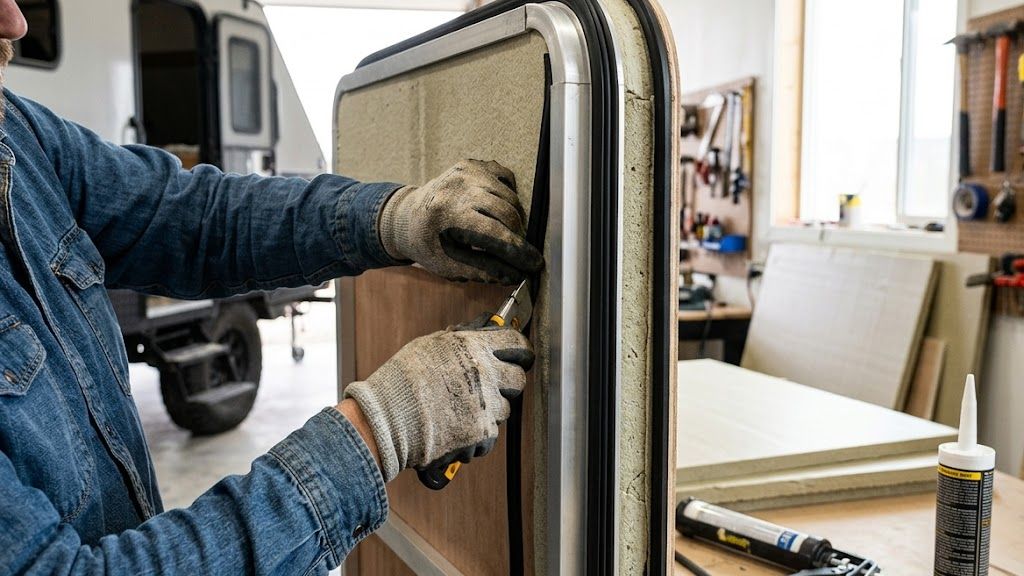
Proper weatherproofing and insulation extend the service life of custom RV and trailer doors and improve energy performance. Custom RV & Trailer Doors Waycross, GA are designed to protect interiors from moisture, temperature swings, and related damage. This article summarizes core features, durable material choices, installation and maintenance guidance, and options for climate-controlled cargo doors, plus where to source products locally.
What Are the Key Features of Custom Weatherproof Trailer Doors in Waycross?
Effective custom doors combine suitable materials, a high-performance insulation core, and precise dimensions to ensure sealing and longevity.
- Materials Used: Aluminum, fiberglass, and composite panels for strength and corrosion resistance.
- Insulation Properties: High R-value cores to limit heat transfer.
- Design Specifications: Custom sizing and edge details to optimize sealing and fit.
When matched to application needs, these features reduce moisture intrusion and moderate interior temperature changes.
How Do Weatherproof Rubber Seals Enhance Door Insulation?
Continuous rubber seals block air and water entry, improving thermal performance and preventing moisture-related damage.
- Material Types: EPDM or PVC foam seals for durability and flexibility.
- Installation Techniques: Continuous perimeter sealing to avoid gaps.
- Benefits of Seals: Increased effective R-value and protection against mold and structural decay.
Further research highlights performance aspects and material considerations for vehicle body seals and weatherstripping.
Vehicle Body Seals & Weatherstripping Performance
ABSTRACT: This paper describes the development and advantages of sponge-dense rubber body seals used in vehicle manufacture. It examines the components of a body seal and retainer and how they affect performance. The document reviews types of rubber materials used in seals and weatherstrips, specifies service condition requirements, and outlines testing procedures for sealing products.
Performance aspects of sponge-dense rubber body seals, 1984
Properly fitted seals noticeably improve a door assembly’s resistance to air and moisture transfer.
Which Materials Ensure Durability and Climate Resistance?
Choose materials that resist corrosion, impact, and environmental exposure to reduce maintenance and extend service life.
- Aluminum Properties: Lightweight and corrosion-resistant.
- Fiberglass Benefits: Good insulation, dent resistance, and thermal performance.
- Composite Cores: Durable, moisture-resistant cores with strong insulating value.
Combining materials by application—cargo type, exposure, and weight limits—yields the best long-term performance.
How to Choose and Install Insulated RV Doors for Optimal Performance?
Select doors based on material, core R-value, and fit; follow careful installation to preserve insulation and sealing.
- Material Options: Aluminum or fiberglass doors with an appropriate insulated core.
- Installation Techniques: Clean and prepare the frame, then fit the door so seals compress uniformly.
- Maintenance Tips: Use quality weather stripping and inspect seals regularly for wear.
Follow manufacturer instructions and verify seal and alignment after installation to maintain thermal performance.
What Are the Steps for Proper Installation of RV Door Weather Stripping?
Weather stripping must be installed methodically using suitable materials and correct alignment.
- Preparation Steps: Remove the old door or trim, inspect and repair the frame surface.
- Sealing Techniques: Apply a continuous bead of marine-grade sealant where specified and fit seals without gaps.
- Final Adjustments: Level and plumb the door, then secure fasteners and confirm uniform compression of seals.
Careful installation reduces stress points and prevents moisture ingress over time.
How Does Insulation Improve Energy Efficiency in Climate Controlled Trailers?
Insulation limits heat transfer through doors, reducing HVAC load and stabilizing interior temperatures.
- Temperature Control: Keeps interior temperatures steady, lowering HVAC cycling.
- Energy Efficiency Benefits: Less heat loss means lower energy consumption and operating cost.
- Noise Reduction: Insulation also helps reduce external noise.
Effective doors contribute to lower operational costs and improved comfort for occupants or cargo.
What Are the Benefits of Climate Controlled Cargo Trailer Doors in Waycross?
Climate-controlled doors combine insulated cores, robust construction, and sealing to protect temperature-sensitive cargo during transport.
- Energy Efficiency: High R-value cores minimize thermal bridging.
- Temperature Regulation: Stable interior temperatures protect sensitive goods.
- Protection Against Weather Damage: Weather-resistant seals prevent moisture intrusion.
These features reduce spoilage risk and support reliable delivery conditions for perishable or temperature-sensitive items.
How Do Climate Controlled Doors Protect Cargo in Variable Weather?
Insulation and continuous seals mitigate external temperature and moisture swings, preserving product quality in transit.
- Temperature Regulation: Limits the effect of external heat or cold on cargo.
- Moisture Protection: Seals keep out water that can cause spoilage.
- Durability: Built to withstand travel stresses and adverse weather.
Good design reduces losses related to environmental exposure during transport.
What Customization Options Are Available for Climate Controlled Trailer Doors?
Customization allows matching doors to trailer geometry and cargo requirements for fit and thermal control.
- Custom Dimensions: Doors sized to the opening for proper sealing.
- Insulated Options: Core choices to meet temperature-control needs.
- Glass Panel Options: Tinted, frosted, or clear glazing where visibility is needed.
Choosing appropriate dimensions, insulation levels, and glazing ensures regulatory and operational compliance.
Where Can Customers Find Quality Custom RV Door Seals and Weatherproofing Products in GA?
SDG Doors and Windows supplies custom RV door seals, insulated doors, and weatherproofing components suitable for trailers and RVs in Georgia.
- Product Types Available: Custom RV and trailer doors, including insulated models.
- Pricing Options: Competitive pricing for common sealing and insulation needs.
SDG offers practical product and service options for regional weatherproofing and insulation needs.
Why Choose SDG Doors and Windows for Custom Trailer Door Solutions?
SDG focuses on precise fit, durable materials, and customer support to deliver long-lasting door solutions.
- Custom Fit and Precision: Doors tailored to exact dimensions for reliable sealing.
- High-Quality Materials: Use of aluminum, fiberglass, and insulated panels.
- Expert Support: Guidance through selection and ordering to match project needs.
These capabilities simplify procurement and support dependable field performance.
How to Request a Quote or Consultation for Custom Door Products?
Requesting a quote is straightforward and helps SDG capture project details to produce an accurate proposal.
- Contact Methods: Email or call using contact details available on the official website.
- Required Information: Provide door dimensions, intended use, insulation needs, and any preferred materials or options.
- Location: Visit SDG for in-person consultations.
These details allow SDG to prepare tailored proposals addressing dimensional, insulation, and sealing requirements.
Frequently Asked Questions
What is the importance of R-value in insulated trailer doors?
R-value measures thermal resistance. Higher R-values reduce heat transfer, stabilize interior temperatures, and lower HVAC workload. Choose an R-value appropriate for Waycross climate and the trailer’s intended use.
How can I maintain the weatherproofing of my RV doors?
Inspect seals regularly for cracks or compression, clean frames and seals, replace worn weatherstripping, and use silicone-based lubricants to keep seals flexible.
What are the signs that my trailer door needs replacement?
Replace the door if you see cracks, dents, warping, persistent drafts, interior moisture, or difficulty opening and closing the door.
Can I install insulated RV doors myself, or should I hire a professional?
Experienced owners with proper tools can do DIY installations, but professional installation is recommended for guaranteed fit, sealing, and insulation performance.
What are the benefits of using composite materials for trailer doors?
Composites resist moisture, rot, and corrosion, often offer better R-values, and are lightweight—helpful for handling and long-term performance.
How do I choose the right size for my custom trailer door?
Measure opening width and height accurately, note frame irregularities, and account for door thickness. When uncertain, consult a professional to confirm dimensions.
What should I consider when selecting a supplier for custom RV doors?
Choose a supplier with quality materials, proven customization capabilities, clear warranty terms, and positive customer feedback to ensure reliable support.
Conclusion
Investing in custom weatherproof and insulated RV and trailer doors improves durability, energy efficiency, and interior protection. Select materials and insulation that match the application, follow proper installation and maintenance practices, and contact suppliers like SDG Doors and Windows for tailored solutions and local support.