
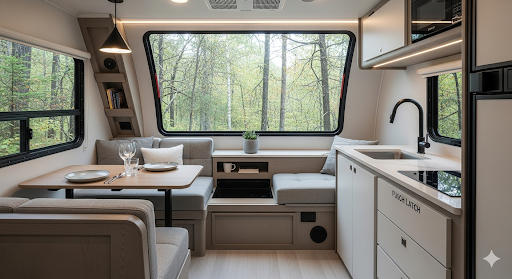
Trailer enthusiasts and industry professionals alike understand that every detail matters when it comes to optimizing a rig’s appearance and performance. Custom made trailer windows have emerged as a critical upgrade, blending form and function to elevate the overall trailer experience. From enhancing natural light to improving ventilation and insulation, these bespoke windows offer unmatched versatility. This blog explores the full spectrum of options, benefits, selection criteria, installation best practices, and maintenance tips for anyone considering custom trailer windows for their next build or renovation.
What Types of Custom Made Trailer Windows Are Available?
Custom made trailer windows can be tailored to virtually any design specification, ensuring a perfect fit for every rig. They come in varied styles such as framed, frameless bonded, sliding, awning, fixed picture, emergency egress, and dual-pane options. Each type serves a specific purpose, whether it’s to maximize panoramic views, provide quick-release safety exits, or deliver superior insulation in extreme climates.
A concise table below compares the key characteristics and common applications of these window styles:
| Window Type | Key Features | Typical Use Case |
| Framed Windows | Durable aluminum or steel frames, versatile | General trailer and RV installations |
| Frameless/Bonded Windows | Sleek, no-exposed-frame appearance | Modern conversions, luxury trailers |
| Sliding Windows | Easy operation, adjustable airflow | Camper vans, kitchen areas |
| Awning Windows | Upward-opening vents, rain protection | Bathroom vents, sidewall ventilation |
| Fixed (Picture) Windows | Non-opening, large glass area for views | Living/dining zones |
| Emergency Egress Windows | Quick-release latches, regulatory compliance | Bedrooms, sleeping quarters |
| Dual-Pane Windows | Improved insulation, noise reduction | Cold or hot weather travel |
Trailer builders and DIY enthusiasts alike seek these various window formats to match both aesthetic goals and functional requirements. When the desire is to expand natural lighting without sacrificing structural integrity, picture windows become the go-to choice. For those prioritizing safety and code compliance, emergency egress windows stand out. Meanwhile, frameless bonded windows lend a seamless, contemporary flair to any trailer exterior.
Material selection further diversifies these offerings. Tempered glass, laminated safety glass, tinted glass, and even acrylic options cater to different budgets and performance needs. Aluminum profiles are commonly powder-coated to resist corrosion, while stainless steel hardware guarantees long-lasting durability. A precise template or digital measurement ensures the glass and frame blend flawlessly into the trailer’s wall thickness and curvature.
The finishing touches, including decorative trim rings, integrated insect screens, and interior blinds, transform functional windows into design focal points. Professional manufacturers can even coordinate custom hardware finishes—chrome, matte black, or brushed nickel—to harmonize with exterior paint schemes or graphics.
How Do Trailer Window Screens and Shades Improve Comfort and Usability?
Trailer window screens are essential accessories that complement custom windows, keeping bugs out while allowing fresh air to circulate. High-quality insect screens made from fiberglass mesh or stainless steel weave ensure durability and minimal visual obstruction. They integrate seamlessly into sliding and awning windows, allowing occupants to enjoy cross-ventilation without compromise.
In addition to insect protection, built-in shades and blinds elevate interior comfort. Blackout roller shades block unwanted sunlight for better privacy and improved sleep in sleeping cabins. Pleated shades filter light, offering a soft glow that enhances the ambiance of galley areas or lounge sections. Some window manufacturers even provide integrated sunshades within the glass unit, eliminating the need for external attachments.
Shades also contribute to energy efficiency by reducing solar heat gain. When paired with tinted trailer windows, window screens and interior blinds help maintain consistent interior temperatures. This synergy eases the load on HVAC systems, whether it’s a roof-mounted air conditioner on a travel trailer or a compact ducted unit in a cargo-to-camper conversion.
Maintenance is straightforward: screens can be lifted out for cleaning, and roller shades often feature replaceable spring mechanisms. Replacing worn-out meshes or lubricating slide tracks keeps screens gliding smoothly. For severe environments, one can upgrade to heavy-duty screens with UV-resistant coatings, ensuring longevity under constant sun exposure.
What Are the Advantages of Tinted Trailer Windows?
Tinted trailer windows offer more than just a sleek, darkened view—they deliver tangible performance benefits suited for both comfort and protection. By applying factory-installed deep-dip glass or aftermarket film, trailers gain improved thermal barrier properties and enhanced privacy.
Heat Rejection and Energy Efficiency
Tinted glass reduces infrared heat transfer by reflecting or absorbing solar energy. This minimizes interior temperature spikes on sun-drenched afternoons, which is especially valuable when parked in full sun. Lower temperature fluctuations translate to decreased reliance on air conditioning, conserving fuel in motorized units and cutting electrical draw in electric generator setups.
UV Protection and Interior Preservation
High-quality tints block up to 99 percent of ultraviolet rays, safeguarding upholstery, cabinetry, and vinyl surfaces from premature fading and cracking. Over time, UV degradation can warp wood veneers and dull decorative decals. Tinted windows extend the life of interior finishes, preserving resale value and reducing maintenance costs.
Privacy and Glare Control
Tinted windows obscure interior views, granting occupants solitude and deterring potential thieves from assessing valuables. At the same time, the darker glazing softens glare, eliminating hot spots on countertops and screens. Some installers offer graduated tint bands on the windshield, which reduce overhead glare during dawn and dusk drives.
How to Choose Decorative Trailer Windows to Match Your Rig’s Style?
Decorative trailer windows allow owners to infuse personality into their builds, balancing aesthetics with practicality. Whether the goal is a vintage retro look or a contemporary minimalist design, decorative accents can make a dramatic difference.
Material choices range from high-impact acrylic to traditional glass. Acrylic allows for lightweight, shatterproof applications and can be molded into gentle curves for teardrop trailers. Tempered glass, on the other hand, offers a premium feel with crystalline clarity. Glass can be frosted, etched, or back-painted to create custom patterns—anything from geometric motifs to nature-inspired silhouettes.
Frames and trim rings play a significant role in the overall effect. Polished stainless steel exudes an industrial-chic vibe, while powder-coated aluminum in matte black integrates seamlessly with modern exterior wraps. Wood-grain vinyl sleeve frames introduce a classic, homely touch, perfect for Scandinavian-inspired interiors.
For those seeking truly one-of-a-kind designs, laser-cut metal grilles or privacy inserts can be affixed to the glass surface. Intricate lattice patterns allow filtered light to dance inside, creating a dynamic interplay of shadows. When planning a color scheme, it’s wise to sample smaller decorative pieces alongside your primary exterior palette to ensure harmonious blending.
Separate from functional windows, fixed decorative panels can be installed on non-critical wall sections. These faux windows create visual balance without the costs associated with operable units. By strategically placing these accents, a builder can achieve symmetry and depth in trailer sidewalls.
Incorporating custom made trailer windows as part of this decorative strategy underscores a commitment to personalization. Whether matching color schemes with vinyl decals or selecting custom-shaped glass, the creative possibilities are virtually limitless.
Best Practices for Installation and Maintenance of Custom Trailer Windows
Proper installation and routine maintenance are crucial for ensuring that custom trailer windows perform reliably over their lifespan. Whether working with a professional shop or tackling a DIY project, following manufacturer guidelines is non-negotiable.
Before installation, verify wall thickness measurements and taper profiles. Many frame kits are adjustable but can only accommodate specific ranges. Prepping the opening includes removing old sealant, deburring cut edges, and applying a high-performance polyurethane or butyl sealant. A continuous bead around the perimeter prevents water intrusion and wind noise.
When setting the window, press the frame evenly against the trailer wall, securing it with stainless steel screws or rivets at recommended torque values. Use foam shims if needed to maintain uniform pressure. After fastening, inspect the external seal bead to ensure a smooth, convex profile that sheds water effectively.
Routine maintenance includes cleaning the glass with pH-neutral cleaners and soft microfiber cloths to avoid scratches. Inspect the perimeter seal annually for cracks or voids, reapplying sealant if necessary. Lubricate moving parts—sliders, hinges, and latches—with silicone spray to keep them operating smoothly.
For professional assistance or custom inquiries, Contact us for expert guidance tailored to any trailer model or window configuration.
Why Invest in High-Quality Windows for Trailers and RVs?
Installation of premium custom windows is more than a cosmetic upgrade—it’s an investment in safety, comfort, and long-term value. Superior materials and precision engineering translate into better insulation, reduced road noise, and increased structural integrity of your trailer.
Dual-pane insulated windows offer substantial thermal gains in cold environments, preventing condensation and frost buildup. Bonded frameless windows eliminate external sealing surfaces, reducing the chance of leaks and simplifying cleaning. Tempered laminated glass screens out harmful UV radiation, protecting both passengers and interior surfaces.
In terms of resale, professionally installed custom windows signal quality workmanship to potential buyers. They enhance curb appeal, demonstrating that the trailer has been cared for and upgraded thoughtfully. This often yields higher appraisal values compared to models with stock or mismatched windows.
Manufacturers and wholesalers who stock Custom RV & Trailer Products recognize the demand for high-end customization. From specialized emergency egress units with quick-release handles to exotic curved glass panels, the market continues to innovate. Choosing reputable providers ensures access to warranties that cover glass breakage, seal failures, and hardware defects.
Choosing the Right Custom Trailer Windows for Every Application
Every trailer conversion or build carries unique requirements, whether it’s a food concession trailer, luxury travel coach, cargo hauler, or teardrop camper. Identifying the best window solution involves balancing functionality, style, and budget.
Start by defining primary objectives: ventilation, panoramic viewing, emergency escape, or decorative enhancement. Then match those goals with window types. For instance, concession trailers often require serving windows with integrated awnings and self-closing insect screens. In contrast, classic campervans benefit from flush-mounted bonded windows that preserve sleek exterior lines.
Dimensionally, accurate CAD templates or foam board mockups help avoid costly sizing errors. Wall thickness, external bead profiles, and internal clearance for screens or blinds all factor into selecting a properly engineered window kit.
For the ultimate customization experience, Choose Custom Trailer Windows for Your Rig and work with manufacturers offering 3D modeling consultations. They can simulate the finished look on your trailer’s exterior side panels before any cutting takes place.
Conclusion
In conclusion, upgrading to custom made trailer windows transforms any rig by enhancing aesthetics, optimizing functionality, and boosting long-term value. From choosing the right styles and materials to understanding installation best practices and accessory integration, informed decisions result in a trailer that performs beautifully in every environment. To learn more About us and explore how SDG Doors & Windows can bring these solutions to your project, reach out today. Our expert team is ready to guide you toward the perfect window system for your trailer.
Frequently Asked Questions
What is the typical lead time for custom trailer windows?
Lead times vary by manufacturer and complexity but generally range from two to six weeks. Expedite options may be available for an additional fee.
Can I handle the window installation myself or should I hire a professional?
Skilled DIYers can install many window kits successfully, provided they follow detailed instructions and use proper sealants. However, complex installations or frameless bonded windows often benefit from professional service to guarantee leak-free performance.
How do I clean and maintain tinted trailer windows?
Use a mild, ammonia-free glass cleaner with a soft microfiber cloth. Avoid abrasive pads or harsh chemicals. Reapply UV-resistant sealant annually and inspect for pinhole leaks around the gasket.
Are emergency egress windows legally required in trailers?
In many jurisdictions, every sleeping area must have at least one emergency exit that meets size and latch requirements. Always verify local codes before purchase and installation.
Do tinted windows affect visibility at night?
High-quality tints designed for RVs block UV and heat while maintaining daytime clarity. At night, their effect on visibility is negligible compared to dark auto tints. For critical applications, consider lighter tints or integrated shade mechanisms.