
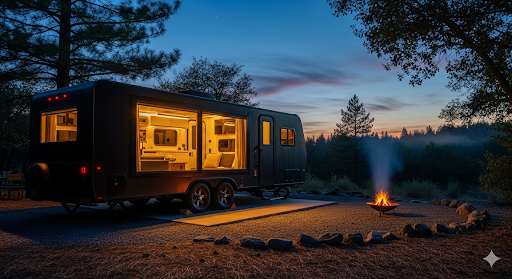
Custom made trailer windows offer an opportunity to tailor temperature regulation, noise insulation, and condensation control to the needs of every traveler. By selecting pane types—single, double, Low-E, or gas-filled—owners can fine-tune their trailer’s interior environment. These windows balance natural light with thermal performance, ensuring occupants stay cozy in winter and cool in summer. Understanding how each pane works empowers buyers to invest wisely in long-term comfort and energy savings. Learn more about the benefits in this guide on custom trailer windows worth the investment.
What are the different pane types available for trailer windows?
Custom trailer windows come in a spectrum of glass technologies designed to meet diverse demands. Single-pane glass remains economical and lightweight but sacrifices insulation and noise reduction. Double pane trailer windows sandwich two sheets of glass around an argon or krypton gas layer, boosting energy efficiency and minimizing draft. Insulated trailer windows may also incorporate Low-E coatings to reflect infrared heat and block ultraviolet rays. For maximum durability, tempered and laminated glass options resist impact and maintain structural integrity under stress.
Single-Pane Glass: Pros and Cons
Single-pane windows are the most basic and cost-effective choice. They offer clear views and minimal weight, making installation simpler on lighter trailers. However, they transmit heat and cold more readily, requiring heavier reliance on heating and air-conditioning systems. In noisier camping environments, single-pane designs provide little acoustic buffering.
Double-Pane and Gas-Filled Units
Double pane trailer windows elevate performance by trapping a pocket of gas between two panes. Argon gas, denser than air, enhances thermal resistance, while krypton gas offers even greater R-value in thinner profiles. Dual-pane designs reduce heat transfer by up to 50 percent compared to single-pane solutions and cut down on road and wind noise. They also stabilize interior temperatures, reducing HVAC runtimes and energy expenditure.
Low-E Coatings for Condensation Prevention
Low-emissivity (Low-E) coatings are microscopically thin metallic layers applied to glass surfaces. They reflect infrared waves back into the trailer during winter, and deflect solar heat outward in the summer. By maintaining a more uniform glass temperature, Low-E coatings curb condensation buildup and protect window seals. Combined with argon fills, these coatings constitute a powerful barrier against moisture and mold.
Tempered and Laminated Safety Glass
For those prioritizing safety and durability, tempered and laminated glass options are essential. Tempered glass undergoes rapid heating and cooling, becoming four times stronger than untreated glass. If broken, it shatters into pebble-like fragments that minimize injury. Laminated glass sandwiches a plastic interlayer between two glass sheets, preserving structural unity even upon impact. Both types offer extra peace of mind on rugged roads.
How do pane choices influence insulation and energy efficiency?
Custom windows dramatically affect a trailer’s thermal envelope. Insulated trailer windows constitute a core strategy in passive temperature control. Properly specified, they lessen peak loads on HVAC systems, contributing to extended generator runtimes and fuel savings on off-grid excursions. By curtailing unwanted heat gain in summer and heat loss in winter, advanced pane options deliver year-round comfort.
In cooler climates, gas-filled double pane units with Low-E coatings can improve R-values by up to 40 percent over standard single-pane windows. This upgrade often pays back within a season through reduced propane or electric bills. Conversely, in hot regions, tinted Low-E coatings thwart solar gain, cutting interior temperatures by as much as 10 degrees under direct sunlight.
What factors influence condensation in trailer windows?
Condensation prevention trailer windows are engineered to mitigate moisture accumulation on glass surfaces. When warm, humid interior air contacts a cold window, water droplets form, risking mold and wood damage. Key design elements address this:
- Pane thickness and spacing: Wider gaps between panes buffer temperature swings.
- Gas fills: Argon or krypton slows heat flow, keeping the inner pane warmer.
- Low-E coatings: Reflect infrared heat inward to sustain higher glass surface temperatures.
- Warm edge spacers: Aluminum spacers conduct cold; anodized perforated aluminum or stainless steel spacers reduce thermal bridging.
Correctly specifying these features can lower relative humidity near glass surfaces by up to 30 percent, substantially reducing condensation.
Integrating frame materials and finishes
Beyond glass, frame construction plays a pivotal role in window performance. Anodized aluminum frames excel in strength, corrosion resistance, and weight savings. Many manufacturers offer powder-coated finishes—black, white, light gray, almond—to match trailer exteriors and enhance durability against UV and grit. Polymer or vinyl frames can further improve thermal breaks but may lack the rigidity needed for larger windows.
Custom fit is essential. Precise measurements prevent gaps that lead to air infiltration. Professional glazing installations use high-performance sealants—silicone or polyurethane—to adhere frames robustly and maintain airtightness over decades of travel.
Cost considerations and return on investment
Choosing premium pane types carries a higher upfront cost, but long-term value emerges through energy savings, enhanced comfort, and reduced maintenance. Below is a comparison:
| Pane Type | Material Cost | Installation Complexity | R-Value Approximate | Noise Reduction |
| Single-Pane Glass | Low | Easy | R-1 | Low |
| Double Pane (Argon) | Medium | Moderate | R-3 to R-4 | Medium |
| Double Pane (Krypton) | High | Moderate | R-4 to R-5 | High |
| Low-E Coated (Double) | High | Moderate | R-4 to R-6* | High |
| Tempered / Laminated | Additional +10% | Moderate | N/A† | High |
*Dependent on gas fill and coating brand. †Safety glass enhances durability rather than R-value.
When evaluating cost-benefit, consider climate, trailer usage frequency, and energy sources. For full-time living or extensive winter travel, high-performance double pane windows with Low-E coatings often yield notable savings within 12–18 months.
Customization trends and emerging technologies
The trailer industry embraces ever-smarter glazing. Electrochromic “smart glass” tints at the flip of a switch, offering on-demand solar control without blinds. Aerogel-infused panes boast exceptional insulation at minimal thickness. Integrating solar photovoltaic films into window surfaces creates auxiliary power generation while maintaining transparency.
Clients can also choose from a spectrum of tints—bronze, dark gray, solar cool bronze—to balance privacy, glare control, and aesthetic preferences. Custom slide, awning, and frameless designs combine form and function, letting fresh air in even during rainstorms while deflecting runoff.
During the creative process, trailer owners often consult a range of glass and frame options, solidifying choices through custom made trailer windows that reflect their unique travel profiles.
What maintenance practices preserve window performance?
Regardless of pane type, routine care extends service life and safeguards performance. Key maintenance tasks include:
Inspecting seals annually for cracks or gaps. Cleaning glass with pH-neutral detergents to avoid seal degradation. Lubricating moving parts on sliders and hinges. Resealing frame perimeters with quality sealant every 3–5 years. Verifying proper drainage through weep holes to prevent standing water.
Promptly repairing chips or scratches in coatings and glass prevents moisture ingress and delamination.
How to choose the right installer or manufacturer
Selecting an experienced window fabricator ensures precise tolerances and finish quality. Look for:
Proven track record in RV and trailer markets. Tempered and laminated glass expertise. On-time delivery and reputable customer service. Comprehensive warranties on both glass and frames. Certifications for gas-filled glazing integrity.
Peer reviews, testimonials, and photo galleries serve as valuable references in vetting suppliers.
Bespoke trailers benefit from specialty workshops offering Custom RV & Trailer Products that align every detail with owner specifications.
Conclusion
From single-pane simplicity to advanced double pane trailer windows equipped with argon fills and Low-E coatings, the choice of pane type profoundly shapes comfort, efficiency, and durability. Insulated trailer windows fortify your rig against temperature extremes and noise, while smart design curbs condensation and preserves interior finishes. By weighing climate demands, travel lifestyles, and budget, trailer owners can secure a glazing solution that pays dividends in energy savings and daily comfort.
For travelers seeking turnkey expertise in installation and custom glass configurations, SDG Doors & Windows delivers precision craftsmanship, premium materials, and personalized service. Whether upgrading an aging camper or building a new adventure vehicle, their team offers end-to-end solutions for custom made trailer windows, ensuring every journey is undertaken in comfort and style.
Frequently Asked Questions
What are the benefits of double pane trailer windows over single-pane options?
Double pane trailer windows provide superior thermal insulation, reducing heat transfer by up to 50 percent compared to single-pane glass. They also offer enhanced noise reduction and help prevent condensation by keeping the inner pane surface warmer.
How does argon gas improve the performance of insulated windows?
Argon gas is denser than air, filling the space between glass panes to slow heat flow. This boosts the window’s R-value, stabilizes interior temperatures, and lowers energy consumption of heating and cooling systems.
Can Low-E coatings be combined with double pane windows?
Yes. Low-E coatings are applied to one or more surfaces of double pane windows, reflecting infrared heat back into the trailer during winter and deflecting solar heat outward in summer. This dual approach maximizes energy efficiency and condensation prevention.
Are tempered or laminated panes necessary for trailer windows?
For enhanced safety and durability, tempered and laminated glasses are recommended. Tempered glass resists impact and shatters into small fragments, while laminated glass remains bonded even when cracked. Both options protect occupants and maintain window integrity under stress. glass screens
How should I maintain condensation prevention trailer windows?
Regularly inspect seals and reapply high-performance sealant as needed. Use pH-neutral cleaners on glass and frames, keep weep holes clear of debris, and ensure proper ventilation inside the trailer to minimize humidity buildup.