
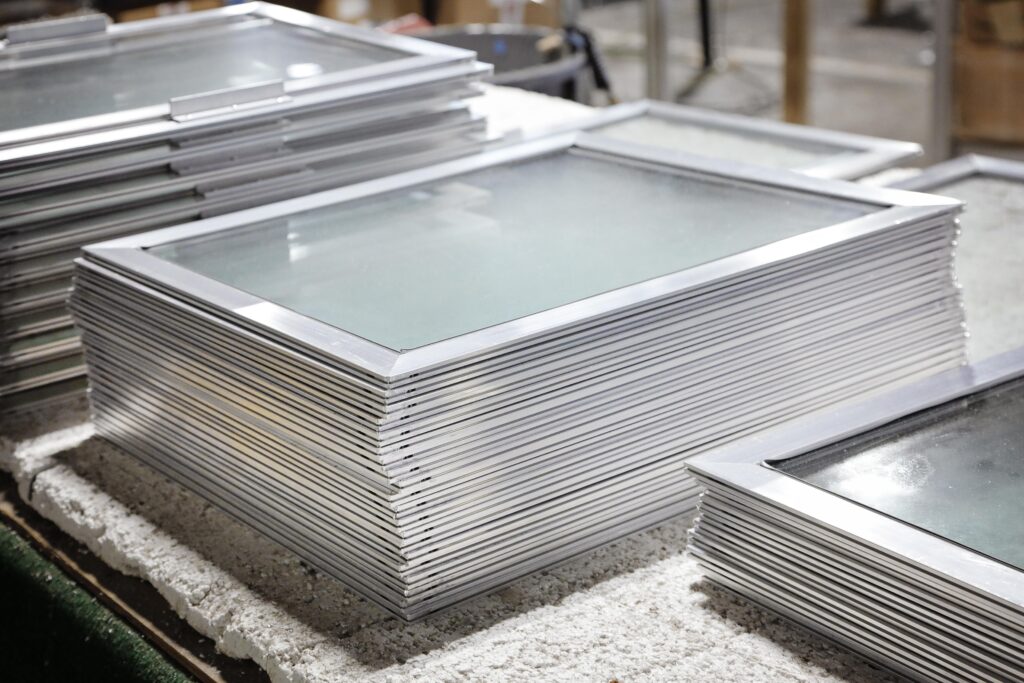
A concession trailer door is the entry door on a mobile food unit, and the right one has to do three jobs at once: seal tight against weather and pests, satisfy the health inspector, and fit your exact rough opening. Get those three right and the door disappears into your workday. Get one wrong and you face failed inspections, wasted heat and cool air, or a door that never quite latches.
This guide walks through how to choose a concession trailer door, from health-code requirements to sizing to the materials and features that actually matter on a working food trailer.
Key Takeaways
- A concession trailer door must be solid, self-closing, and tight-fitting, or protected by 16-mesh screening, to meet the pest-control rules in the FDA Food Code.
- The US food-truck sector reached roughly 88,353 businesses in 2026, so concession-specific door demand keeps climbing.
- Foodborne illness sends an estimated 128,000 Americans to the hospital every year, which is why a tight door seal is a food-safety control, not a nicety.
- Measure the rough opening (width, height, and wall thickness) before you order, because a custom-built door fits where an off-the-shelf RV door will not.
- Insulation, a screen door, tinted glass, and a reliable latch are the features that pay off most on a food trailer.
What makes a concession trailer door different?
A concession trailer door is different from a standard cargo or RV door because it works inside a licensed food business, and that raises the bar on sealing, sanitation, and daily use. The mobile food market has grown fast: the United States held about 88,353 food-truck businesses in 2026, an 11.3% jump from the year before, according to IBISWorld. More trucks means more operators discovering that a generic door does not hold up to a full service.
On a concession trailer, the door is opened and closed dozens of times a shift, often with greasy hands, in heat, and next to hot equipment. It has to latch reliably, resist warping, and keep the interior sealed while the unit is parked overnight. It also has to coordinate with your service window and ventilation, so the whole envelope stays clean and pest-free.
That is why concession operators usually order a custom door built to their trailer rather than forcing a residential or basic utility door to fit. The door becomes part of the food-safe shell, not just an entry point.
Do concession trailer doors have to meet health codes?
Yes. Under the FDA Food Code, the outer openings of a food establishment, including a mobile one, must be protected against insects and rodents. Section 6-202.15 requires “solid, self-closing, tight-fitting doors,” and when a door is kept open for ventilation it must be protected by “16 mesh to 25.4 mm (one inch) screens” or a properly designed air curtain, per the code text published by Cornell Law School’s Legal Information Institute.
Most states adopt the FDA Food Code, and health inspectors apply these outer-opening rules to concession trailers during plan review and routine inspections. In practice that means your door needs a tight weather seal, a latch that closes fully on its own or is diligently kept closed, and a screen door if you want to run with the main door open for airflow.
Code and market
What the Food Code requires, and who is buying
The screening rule a concession door has to meet, against the size of the mobile food trade.
FDA Food Code section 6-202.15; IBISWorld US food-truck industry data; US Centers for Disease Control and Prevention (48 million illnesses, 3,000 deaths annually).
Choosing a door that already meets the self-closing and tight-fitting standard saves you from a costly retrofit after a failed inspection. If you plan to run the door open in warm weather, pair it with a matching screen that hits the 16-mesh requirement so you stay compliant while you ventilate.
Why a tight door seal matters for food safety
A tight-sealing door is a real food-safety control because gaps let in the pests and contaminants that make people sick. The Centers for Disease Control and Prevention estimates that 48 million people get sick, 128,000 are hospitalized, and 3,000 die from foodborne diseases each year in the United States, according to the CDC. Flies, roaches, and rodents are classic vectors, and the door is one of the largest openings they can exploit.
A door that seals cleanly along all four edges denies pests an entry path and keeps dust and road grime out of your prep area. It also protects your holding temperatures. Every gap around a poorly fitted door bleeds conditioned air, which forces your equipment to work harder and can push refrigerated or hot-held food out of its safe temperature range.
The takeaway is simple. A quality door with good gaskets is cheaper than one health-code violation, one pest-control call, or one batch of food lost to a temperature swing.
How to size and measure a concession trailer door
Size your door by measuring the rough opening first, not the old door, because trailer walls and framing vary and a custom door is built to your numbers. Take three measurements: the width of the opening, the height of the opening, and the wall thickness where the door frame will seat. Measure at the top, middle, and bottom for both width and height, and use the smallest reading so the door is never oversized.
Note which side you want the hinges on and which way the door should swing, since a concession layout often forces the door to a specific corner near the service window or the ventilation hood. If you are adding a screen door, confirm the screen frame also fits the finished opening and can carry the 16-mesh screening the Food Code calls for.
Because openings differ from one build to the next, an off-the-shelf RV door rarely lands on your exact dimensions. A door built to spec seals correctly on the first try, which is why custom sizing is the norm for concession units. If you are unsure how to record the measurements, the SDG FAQ page walks through what to send.
Door types and features to choose from
Choose your door features around three priorities: sealing, ventilation, and daily durability. Because the FDA Food Code lets you run a door open for ventilation only when it is protected by 16-mesh screening or an air curtain, a matching screen door is one of the most useful add-ons for a food trailer that gets hot during service.
Here are the features that matter most on a concession trailer door:
- Insulation. An insulated door core helps hold interior temperatures and reduces the load on your cooling and heating, which supports both comfort and food-safety holding.
- Screen door. A screen door lets you ventilate legally on hot days while keeping insects out, meeting the 16-mesh standard in the code.
- Glass panel. A window in the door adds visibility and light. Tinted or frosted glass adds privacy and cuts glare, while clear glass maximizes sightlines.
- Weather-resistant construction. Doors built from weather- and moisture-resistant materials resist warping and corrosion through rain, road salt, and daily washdowns.
- Reliable latch and lock. A latch that closes fully and a lock that secures the unit overnight protect both your food and your equipment.
Pair the door with the rest of your food-safe envelope, including your service window and any additional glass or venting, so every opening in the trailer is sealed and screened to the same standard.
How to order a custom concession trailer door
Order a custom concession trailer door by matching your measurements to a builder who makes doors for mobile food units, then confirm the compliance features before you buy. The mobile food market is large and still growing, with the US food-truck sector worth about 2.9 billion dollars in 2026, per IBISWorld, so suppliers that specialize in trailer doors and windows are well worth seeking out.
SDG Doors & Windows has built custom RV, concession, and food-trailer doors and windows since 2001, selling to dealers, repair shops, and individual operators nationwide from its shop in Waycross, Georgia. Every door is made in-house to the customer’s exact dimensions, with insulated cores, glass options, and screen doors available so the finished unit seals tight and satisfies the inspector.
When you are ready, gather your opening measurements, decide on your glass and screen options, and contact the SDG team for a quote. A door built to your trailer is the difference between an opening you fight with all season and one you never think about again.
Frequently Asked Questions
What size door does a concession trailer need?
There is no single standard size. Concession trailer doors are built to the rough opening of your specific unit, so measure the opening width, height, and wall thickness before ordering. A custom-built door seals correctly where an off-the-shelf door often will not.
Does a concession trailer door have to be self-closing?
The FDA Food Code (section 6-202.15) requires the outer doors of a food establishment to be solid, self-closing, and tight-fitting, or protected by 16-mesh screening when kept open. Most states adopt this code, so plan on a door that seals fully and a screen door if you want to ventilate.
Can I put a window or screen in a concession trailer door?
Yes. Many operators add a glass panel for light and visibility and a screen door for legal ventilation. Tinted or frosted glass adds privacy, and a 16-mesh screen lets you run the door open while keeping insects out, in line with the Food Code.
Why not just use a standard RV door on a food trailer?
A concession trailer door has to meet health-code sealing and pest-control rules and stand up to heavy daily service. A generic RV door rarely fits a custom trailer’s exact opening and may not seal or self-close to code, which can cost you at inspection.
How do I keep a concession trailer door sealed against pests?
Choose a door with full-perimeter gaskets and a latch that closes completely, add a compliant screen door for open-air service, and inspect the seals regularly. Because foodborne illness hospitalizes an estimated 128,000 people a year, a tight door seal is a core food-safety step, not an optional upgrade.